


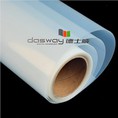


DTF (Direct-to-Film) transfer film is a key component of DTF printing technology. Designers use this transfer film to print and heat-press designs onto various materials. These transfer films are popular with designers and small businesses due to their vibrant colors, durable prints, and sharp details.
DTF Film: The Key Material for Printing
Imagine DTF transfer film as a magical canvas for showcasing your designs. Printing your artwork onto the transfer film is like transferring it onto a transparent stage. Once heat-pressed onto fabric, the design is permanently fixed, like a jewel embedded in the material. It remains vibrant and intact. High-quality paper is crucial for an artist's work. Therefore, choosing the right DTF transfer film is key to achieving high-quality prints. Next, we will detail a typical DTF transfer film, which will help you understand why choosing the right transfer film is so important.
The Structure of DTF Film
Understanding the structure of the transfer film will help you choose the right film for your needs. Here is the typical structure of a DTF transfer film:
Inkjet Printing Coating: Usually white and made of polyurethane (PU). This coating is used to hold the ink and display the design. The quality of the coating affects the clarity and color saturation of the print. Polyurethane is environmentally friendly and safe, and is now widely used.
Adhesive Layer: This layer ensures that the design adheres firmly to the fabric during the heat-pressing process. It is non-adhesive at room temperature. This prevents the design from sticking during the transfer process, contributing to a cleaner and more precise transfer.
Release Layer (Hot/Cold Release): This layer is located between the printed design and the backing, and helps the film peel off after heat pressing. It ensures smooth separation without damaging the design.
PET Substrate Film: PET is preferred over paper because it is more durable and less prone to deformation.
Anti-static Coating: This coating prevents static electricity from building up on the film during storage or transportation, ensuring that the film is not damaged or affects the printing results.
Now that you understand the structure, let's explore the types of DTF film.
Types of DTF Transfer Films
DTF transfers come in several types, each suited to different needs. Let's look at the most common types:
DTF Film Side Options
Single-Sided (Glossy Film): This film has the transfer medium on only one side. The smooth surface produces bright, vibrant designs, ideal for creating high-impact visuals.

Double-Sided (Matte Film): The transfer medium is on both sides, which improves adhesion and makes printing more reliable. It's especially suitable for DTF printing with white ink, helping to prevent printhead damage caused by film slippage or wrinkling.
Peeling Methods
Cold Peel Film: This cold peel film requires cooling after transfer before peeling. It's ideal for designs requiring high precision and detail, maintaining the printed pattern clearly and without distortion, especially suitable for complex logos or patterns.
Hot Peel Film: This hot peel film can be peeled off immediately after heat pressing, saving production time and making it ideal for batch printing and efficient operations, especially for large-scale production.
Special Effects Films: These include luminous and metallic films. They offer unique visual effects, perfect for reflective sportswear or metallic-looking stage costumes.
How to Choose the Right Option for Your Project
Choosing the right film depends on your design needs. Here are some practical suggestions:
Minimalist Designs:
Recommended Film: Matte Film
Use: The matte surface is suitable for simple, understated designs. It's commonly used for company uniforms and stylish, minimalist t-shirts.
Fashionable or Personalized Designs:
Recommended Film: Glossy Film or Fluorescent Film
Use: Best for eye-catching designs, such as reflective running gear and bright birthday t-shirts.
High-Precision, Complex Designs:
Recommended Film: Cold Peel Film
Use: Best for small orders requiring clear, detailed patterns (such as logos or custom artwork).
Batch Production Needs:
Recommended Film: Hot Peel Film
Use: Ideal for quick turnaround during busy periods, such as Valentine's Day or back-to-school season.
Glossy film is generally suitable for most applications. However, for large batch orders, it's best to have some hot peel film on hand.