


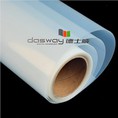


DTF Heat Transfer Film
Nanyang Deshiwei Digital Technology Co. Ltd was founded in 2000 with many years produce experience. We are the professional manufacturer of digital printing materials and medical film.The mainly products include water-based reverse print backlit film, water-based front print backlit film, eco-solvent front print backlit film, DTF film etc.

01
Strong Production Capability
The company has been committed to the research and development in the field of digital printing consumables. Up to now, Nanyang Deshiwei covers an area of 60,000 squaremeters, which has three high-precision automatic coating production lines with various professional equipment and more than 20 middle and senior technical personnel. As a result, the total annual production volume can reach 50 million squaremeters.
02
Quality Assurance
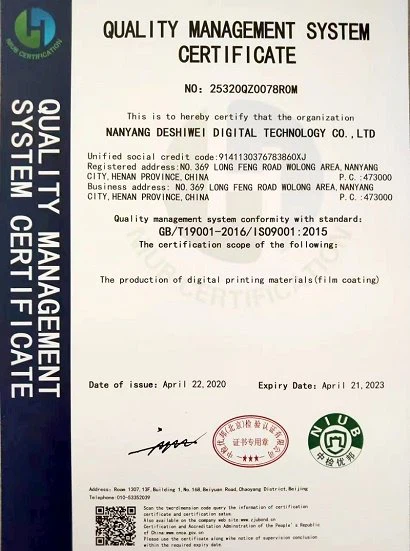
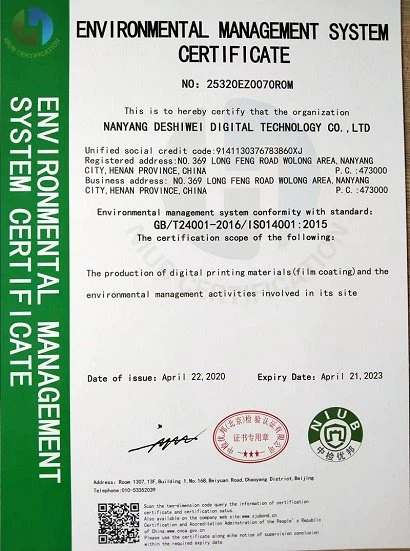
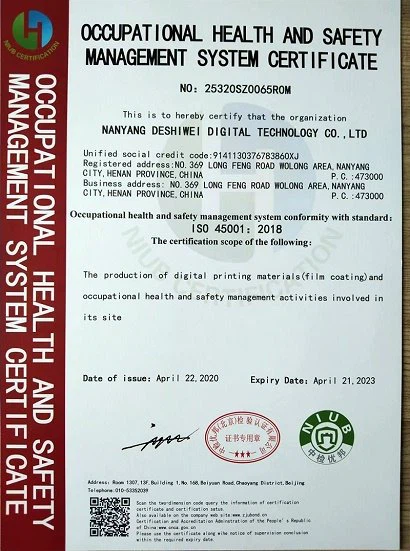
The company has a strict quality management system and has passed ISO9001:2000 quality certification. With its strong technical strength and honest business philosophy, it enjoys a good reputation in the industry and has won many honors such as "China Famous Brand" and "China Consumers Trustworthy Brand".
03
Broad Market
The domestic marketing network covers nearly 30 central cities, and more than 10 agents have been established in first-tier cities such as Beijing, Guangzhou, and Shanghai. Products are exported to more than 30 countries and regions in six continents including America, Europe, and Asia.
04
Leading Service
Our services are refined and standardized. From pre-sales technical consultation to after-sales maintenance, we always put customer needs first and continuously innovate our service value system.


What is DTF Heat Transfer Film
DTF heat transfer film is a transfer film used in the DTF printing process. It is a clear film with a special coating on one side that bonds with DTF inks. DTF film is a versatile and effective transfer film that can be used in the DTF printing process to achieve high quality full color transfers on a variety of substrates.
Benefits of DTF Heat Transfer Film
Hassle Free Vibrant High Quality Prints
DTF printing produces crisp details in a vibrant, wide color gamut. DTF printers accept most art formats with a simple drag-and-drop; no rasterization, separations, or other complicated preparation steps required.
Versatility
Works on most substrates and colors - including 100% cotton black polyester, which is difficult to sublimate. You also have multiple production options. Print transfers and press shirts for your own production. Stock up on your most frequently used transfers to balance your production between busy and slow days. Become a transfer company and supply small printers.
Durability
Rubberized inks and a resilient, durable adhesive ensure washability and long-term quality. It is common to see DTF prints last 30-50 washes, which is considered the industry standard.
Fast and Easy Graphic Preparation
With minimal fuss or art preparation, you can send a job straight to print without worrying about it getting damaged. Handles CMYK and RGB with ease.
Easy to Learn
DTF is very easy to learn, print, shake, bake, press. There is room to master the process. No pre-treatment or garment preparation is required like with DTG. No A+B mixing is required like with white toner printing. While simple to operate, maintenance is the biggest learning curve and should not be overlooked.
No Setup Costs
DTF printing tends to be much cheaper than screen printing in small batches, as it avoids all screen setup costs while allowing an unlimited number of colors, and multiple positions can often fit on a single sheet.
More Production Options
In terms of garment preparation, it requires no pre-treatment of the fabric, and because the image is printed onto the transfer paper, final production does not need to take place at the factory. This means you or your client can make the transfer paper, then bring a box of blank shirts and a heat press to a live event and print to order - without having to hold inventory or waste stock by over-printing certain sizes.
By Coating Process: Single-Sided And Double-Sided
DTF films can be coated with a matte coating on one or both sides through the coating process. The introduction of double-sided films was designed to solve the sliding misalignment challenges faced by printers in the early stages of DTF technology. In addition to solving this problem, another advantage of using double-sided coating is that it can accommodate more ink and powder, ultimately producing higher quality and more durable prints. This is also why we use double-sided coating for all films.
By Peeling Process: Cold Peel / Hot Peel / Hot And Cold Peel / Instant Peel
In terms of peeling process, DTF films can be divided into hot peel, cold peel, hot and cold peel, and instant peel films. Cold peel films require the backing to be cooled after hot pressing before peeling to ensure the best transfer effect. In contrast, hot peel films containing wax allow the carrier sheet to be peeled off about 5 seconds after hot pressing, thereby speeding up the peeling process. Hot and cold peel DTF films (films provided by DTF Station belong to this category) give users the flexibility to choose to peel the carrier film when it is cold or hot. DTF Station's newest instant peel films increase productivity and efficiency while preserving the highest quality and intricate details of your designs.
By Visual Effects
While standard DTF films offer vivid, bright effects that are suitable for most garments, incorporating DTF films with special visual effects can provide business owners with an extra edge. Options for a variety of unique visual effects include glitter films, gold films, reflective color films, luminous films, temperature-shift films, and more, providing a variety of choices to enhance the appeal of printed designs.
•Glitter DTF Film: Infused with a glitter coating on DTF transfer film, this variation creates a dazzling glitter effect, making it a perfect alternative to glitter vinyl.
•Gold DTF Film: Coated with gold glitter, this film adds a luxurious, shimmering gold foil effect to your designs, expanding your DTF printing options for a wider range of applications overall.
•Reflective Color DTF Film: When illuminated, this DTF film reflects colors similar to reflective heat transfer vinyl, making it ideal for personalization and providing a vibrant color reflection effect at specific angles.
•Luminous DTF Film: This film has a photoluminescent effect that lasts for a long time, making it perfect for special clothing designs, adding creativity to clothing such as T-shirts, bags, shoes, socks, etc., making the print glow in the dark.
•DTF Gold/Silver Foil: This film has a shiny metallic sheen that adds brilliance to your design, and its washability ensures a long-lasting shine.
•Fluorescent DTF: To achieve a neon effect, DTF fluorescent ink is required, and when used with a fluorescent DTF printer, any of the above DTF transfer films is required.
•Thermodynamic Film: This film produces different effects at different temperatures, with the pattern becoming brighter when the temperature rises and darker when the temperature drops, providing an engaging visual dynamic.
Parts of DTF Heat Transfer Film
Printing Layer
The printing layer provides a printable surface that absorbs ink. The materials used include PVC, PU, etc. This layer greatly affects the image quality and heat transfer performance. Today, PU is widely used for its realistic printing effect and environmentally friendly characteristics.
01
Adhesive Layer
The adhesive is a hot-melt layer that bonds the ink to the fabric during the heat pressing process. The bond strength ensures that the image remains adhered to the garment during washing.
02
Release Layer
Also known as the release layer, this coating allows the transfer film to be peeled off after pressing. It determines how easily the film can be peeled off from the substrate.
03
Base Layer
The base layer acts as a carrier and foundation for other layers. PET film is most commonly used due to its durability, strength, and dimensional stability compared to paper.
04
Additional Layers
Some films have additional coatings, such as a protective top layer to improve washability or a back coating to reduce static electricity.
05
Applications of DTF Heat Transfer Film

Fashion & Apparel
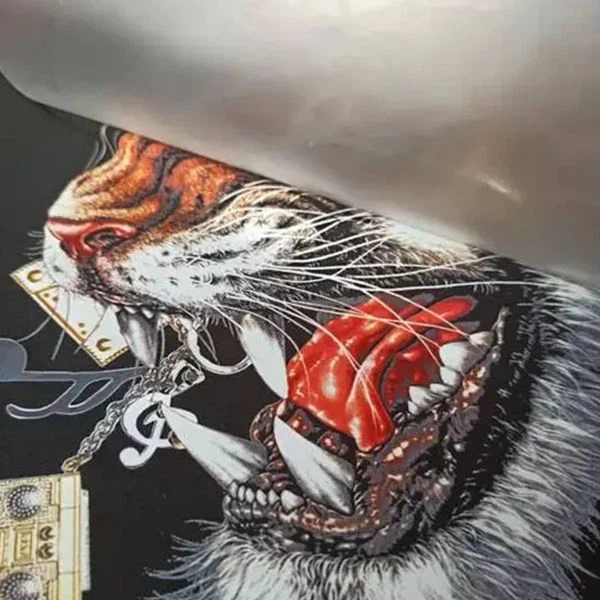
In the fashion & apparel industry, DTF heat transfer films are widely used to create custom designs on apparel and accessories. Whether it’s a t-shirt, hoodie or bag, DTF heat transfer films allow designers to produce intricate patterns and graphics with vibrant colors. This method is particularly useful for producing limited edition or personalized items that require a quick turnaround. Fashion brands utilize heat transfer films to add logos, text and detailed artwork to their products, providing a high-quality finish that withstands repeated washing and wear. The ability to easily switch designs without extensive setup makes DTF heat transfer films ideal for small batches and custom products, meeting the growing demand for unique and personalized fashion items.
Sportswear & Team Uniforms
Another important application for DTF heat transfer films is in the field of sportswear and team uniforms. The film is used to apply names, numbers and logos to jerseys and other sportswear. This method ensures that the graphics are durable and can withstand the rigors of sporting activities, including stretching, sweating and frequent washing. Teams and sportswear brands benefit from the flexibility of DTF heat transfer film, which allows them to quickly produce custom uniforms for athletes at all levels, from varsity to professional leagues. DTF heat transfer film adheres to all types of fabrics, including elastic materials such as spandex, ensuring that the final product is both functional and beautiful.

Promotional Products and Corporate Merchandising
In the promotional products and corporate merchandising world, DTF heat transfer film is an essential tool for adding logos, slogans, and artwork to a variety of items. Companies use DTF heat transfer film to create branded merchandise such as hats, tote bags, and mouse pads, which are then distributed as part of marketing campaigns or corporate gifts. The ability to quickly and cost-effectively produce high-quality custom products makes DTF heat transfer film a top choice for businesses looking to increase brand awareness and engage with customers. It creates eye-catching, durable products that leave a lasting impression.

Home Decor and Interior Design
DTF heat transfer film also plays an important role in home decor and interior design. Designers use heat transfer film to add decorative elements to items such as pillows, curtains, and wall hangings. The ability to customize these items with unique patterns and designs makes DTF a popular choice for creating personalized home decor that reflects personal style and taste. Additionally, DTF is used in interior design to apply graphics to furniture, cabinets, and other surfaces, providing a durable and aesthetically pleasing finish that can transform the look of a space. This versatility offers endless creative possibilities for personalizing and improving home interiors.

Automotive Industry
The automotive industry is another area where DTF is commonly used. It is used to add decorative trim, logos, and other graphics to automotive interiors and exteriors. The ability of DTF to conform to a wide variety of shapes and surfaces makes it ideal for customizing vehicles, providing a high-quality, durable finish that can withstand the demands of daily use and exposure to the elements. Automotive manufacturers and aftermarket companies use DTF to create unique vehicle designs, adding value and enhancing the beauty of their products. The application extends to private vehicles and commercial fleets, where branding and customization play a vital role in marketing and identity.
How to Choose DTF Heat Transfer Film
Intended Printing Method
•DTF Film vs. DTF Paper: DTF paper is thicker, while DTF film is thinner and more transparent. DTF paper is better suited for certain desktop printers, while DTF film requires roll-to-roll printing.
•Printer Type: Some DTF films are designed for desktop or roll-to-roll printers. Make sure you choose a film that is compatible with your printer.
•Ink Type: DTF films are formulated to work with either pigment or dye inks. Use the correct ink type for your ink system.
Transfer Material Type
•Natural Fabric vs. Synthetic Fabric: Some films are better suited for certain fabric types, such as 100% cotton vs. polyester blends.
•Light Fabric vs. Dark Fabric: There are films specifically designed for transferring to light or dark fabrics.
Feel
A key decision point is whether you want your prints to have a smooth "dye-sublimation" feel or a texture you can touch. Films with thicker coatings tend to produce prints with a more tactile feel.
Washability and Durability
How long does the print last after washing and wearing? High release films generally improve durability. Topcoats and backcoats also help with washability. Check specs and user reviews.
Print Quality
How vivid and clear are the printed colors and details? The ink-receptive coating has a big impact on this. Thicker coatings generally produce richer colors, but also feel thicker. Find the right balance.
Release Characteristics
Does the film peel easily during heat transfer? Thicker release coatings improve transfer.
But too thick a release layer can reduce image quality. Evaluate release force.
Price and Value
Entry-level films may compromise on quality. Higher-priced films generally perform better. But increased cost doesn't always mean better results. Focus on the value that meets your needs.
Desired Print Effect
Do you want a standard opaque print, or do you want to create a reflective, metallic, or other special effect? Choose a film specifically designed to create certain visual styles.
Hot or Cold Peel Preference
Do you want a faster hot peel process, or prefer the washability of cold peel? This determines whether you need a wax-based hot peel coating or a sticky cold peel coating.
Companion Products
Make sure your DTF film selection works with your inks, powders, backing sheets, and heat press for optimal system compatibility. When changing films or purchasing DTF coatings for the first time, it is wise to consult your film supplier to understand all the variables. Their expertise can help you determine the best formulation and product for your printing needs.
Certifications



Frequently Asked Questions
As one of the most professional dtf heat transfer film manufacturers and suppliers in China, we're featured by quality products and low price. Please rest assured to buy high-grade dtf heat transfer film from our factory. For free sample, contact us now.
DTF Heat Transfer Film