


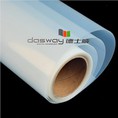



Direct-to-Film (DTF) printing has become a popular method for creating vibrant and durable designs on various fabrics. But like any printing method, the quality of the final product depends on using the right materials. And for DTF, the DTF PET film is a crucial component.

In this blog post, we'll guide you through checking the quality of DTF PET film. We'll break it down into simple steps, making it easy for you to get started and ensure the best results for your DTF printing projects. Whether you're a seasoned professional or a beginner, this guide will help you avoid printing problems and create stunning DTF transfers every time.
How to Check the Quality of DTF PET Film?
Visual Inspection:
For surface imperfections, we'll carefully inspect the film for scratches, black spots, or wrinkles. These small imperfections can significantly affect the print quality, so early detection is crucial.
As for clarity and flatness, it's entirely up to you to ensure the film is crystal clear, free of any haziness, and perfectly flat without any bending or warping. The ultimate goal is to achieve perfect print results.
Printing Performance:
Ink Absorption Rate: A high-quality DTF transfer film should absorb ink just right, within an ideal absorption range. Our goal is for the ink to dry on the transfer film after 30-60 seconds. This time control is crucial to prevent ink bleeding and ensure perfect transfer of the design.
Ink Compatibility: Now it's your turn to test the film with your own DTF ink. You should see the ink spreading evenly and smoothly on the film without any bleeding or smudging issues.
Heat Resistance:
Now, when it comes to curing DTF film, we typically use a temperature range of 120-140°C. But here's the exciting part: some top-tier films can even withstand temperatures up to 160°C without compromising their excellent printing or transfer performance. This is undoubtedly good news, as it gives you more freedom when adjusting your heat press settings, especially when working with various materials.
Color Gamut:
Let's focus on finding a DTF film with a wide color gamut. This is crucial for ensuring your printed designs capture and accurately reproduce rich colors. This is especially important if you are working with designs that contain a lot of intricate details or multiple colors.
Wash Fastness Standards:
For wash testing, please refer to industry standards such as the American Association of Textile Chemists and Colorists (AATCC) washing procedures. These tests include washing with detergents, light exposure, and dry cleaning solvents. The goal is for the DTF film to maintain its color vibrancy and design integrity after undergoing these standard washing procedures.
Adhesion Strength:
Tape Test: During the tape test, peel off the tape at a 45-60° angle with a force of 2-3 Newtons (N) for 2-3 seconds to ensure the ink remains firmly adhered to the film.
Film Opacity: Measure the film's opacity using a densitometer. Higher opacity values indicate better light blocking, which is especially important for dark substrates, as the film needs to prevent the garment color from showing through.
Film Thickness: Film thickness varies depending on the application, but a common thickness range for DTF film is 80-120 microns. A balance needs to be struck between durability (thicker film) and printing performance/transfer efficiency (thinner film).
Surface Roughness:
Measure the film's surface roughness using a profilometer in micrometers (µm). The smoother the surface (lower µm value), the better the ink adhesion and the sharper the printed details.
Film Flatness:
Measure the flatness deviation of the film surface using a dial indicator. Ideally, the deviation should be as small as possible (tolerance within 0.05 mm) to ensure even ink application and prevent printing defects.