


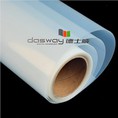
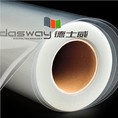


Nanyang Deshiwei Digital Technology Co. Ltd was founded in 2000 with many years produce experience. We are the professional manufacturer of digital printing materials and medical film.
The mainly products include water-based reverse print backlit film, water-based front print backlit film, eco-solvent front print backlit film, UV backlit film, inkjet waterproof film, inkjet clear film, eco-solvent clear film, laser clear film, inkjet blue medical film, inkjet white medical film, laser blue medical film, laser white medical film, semi-transparent laser film, thermal medical film, DTF film etc.

Why Choose Us?
01
High quality
Our company has a strict quality management system and has passed the iso9001:2000 quality certification.
02
Rich experience
We are the professional manufacturer of digital printing materials and medical film with many years produce experience.
03
Global shipping
Our products have been exported to more than 30 countries and regions on six continents including america, europe, and asia.
04
Advanced equipment
The company has three high-precision automatic coating production lines with various professional equipment.
Related Product Introduction

Brilliant color without any color fading
Compatible with most laser printers.
High toner adhesion,long storage time


Instantly dry
Brilliant color, Clear image
Waterproof durability

Super white, high Ink loading ability waterproof, instant dry, trong endurance of climate no curling, brilliant color without any color fading
What is Reverse Print Backlit Film?
Reverse Printing Back lit Film is a Polyester film especially coated on single side which is suitable for advertising printings, high quality photo books, visiting cards, indoor and outdoor signage, invitation cards and posters.
Benefits of Reverse Print Backlit Film
Enhanced visibility
Reverse printing backlit film enhances the visibility of your graphics, making them stand out in any environment.
Energy efficiency
This lighting solution is energy-efficient, helping you save on utility costs while reducing your carbon footprint.
Customization
Reverse printing backlit film can be customized to fit any space or design, giving you endless possibilities for creativity.
Durability
The durable material used in reverse printing backlit film ensures long-lasting performance, making it a cost-effective lighting solution.
Application of Reverse Print Backlit Film
Backlit film is extensively used in advertising lightboxes found in airports, train stations, shopping centers, and other high-traffic areas. The vibrant colors and illumination draw attention, making the displayed content more engaging and memorable.
In retail environments, backlit film is employed for promotional displays, product showcases, and directional signage. Its eye-catching properties help businesses attract customers and convey their brand message effectively. Movie theater posters is one of the most recognizable uses of backlit film, you'll find them in the hallways of every local cinema.
Backlit film can also be utilized in architectural applications, such as interior decor elements, wall murals, and even building facades. By incorporating backlit film into architectural designs, spaces can be transformed into visually stunning environments, creating ambiance and visual interest.
How to Maintain Reverse Print Backlit Film
Hang your backlit film print in a place where it won't be exposed to direct sunlight. Sunlight can damage the film over time and cause fading.
If you need to clean your backlit film print, use a soft, damp cloth. Avoid using any harsh chemicals or cleaners as they can also damage the film.
Store your backlit film print in a cool, dry place when not on display. extreme temperatures can also damage the film over time.
When To Use Backlit Film Printing For Advertising
Backlit Film is the most commonly used medium inside of light or any application you'd like to light from behind. Essentially, the backlit film allows graphics and texts to light up when illuminated from behind.
With a lightbox and a backlit poster, your advertisement is more suitable to alternatives many conditions, including:

Locations where it is essential not to compromise existing visibility
Storefront windows are valuable for lighting and security. You may not want to place opaque posters and banners over them. Advertisements and unclear signage cannot be seen, diminishing the natural light. Restaurants primarily rely on natural lighting to heighten the establishment's atmosphere. There are also security risks when using opaque posters. You limit your visibility inside and outside, making it easier for criminals to target your business and customers. A backlit poster looks much better than opaque ones as the indoor lighting illuminates them. They also allow more visibility inside and outside.
In low-light environments
Backlit movie posters are a great example of why this form of advertising is best suited for low-light environments. The saturated colors that backlit posters produce instill an impression in your audience. They also enhance the atmosphere of dark areas.


Promotional messaging
With a sea of images and text-based advertisements in any public space, backlit posters allow yours to stand out. You can use this form of advertising to invite people into a location or tell them about deals and sales.
How to Install Backlit Films?
You can install these films on walls, suspended from ceilings, and freestanding providing the media is inserted into a suitable lightbox. Simply trim the film to size, insert it into the box, and close the frame, which should have a snap-fit closure.
Backlit Film Processing
There are two main forms of processing:
Lamination processing
Conducted immediately after finishing printing and the ink has dried. The membrane helps the product to have better durability, more toughness, no scratches, easy to clean when dirty.
Glue lamination
The project will be applied to the front or back surface of the backlit film with a layer of glue. Thanks to the glue, the process of constructing products with different purposes is more convenient.
Unfortunately, backlit film is a difficult media to color and light calibrate because there are a million different applications for backlit film, and millions of combinations of hardware, lights (LED, incandescent, fluorescent, etc). To perfectly calibrate for color and lightness you'd need to measure profiles of your exact application and then work with a professional photo lab. If you plan to print a lot of backlit film, we suggest ordering a few small test prints of your file or photo at different exposures (lighten and darken your file on your end at certain percentages, place the files in a row, and order that test print. Once you receive it, you can place the test print with the different exposure levels into your specific application or light box and see which works best for you, and then you'll know how to place all of your orders in the future. One trial and error order can make the process perfect for you in the future.
Below Are Some General Guidelines for Reverse Printing
Reverse printing works best with darker ink colors. This is because darker inks provide more sharpness and definition around the perimeter of the text or graphic.
The reverse printing technique also works best with simple, sans serif styles of text. Plus, it works best with larger text, such as boldface headings and titles. Any text that is too small or intricate risks having some of the finer details filled in by ink.
In addition to text, simple graphics and logos can be printed as a reverse. Just like with text, graphics that contain intricate details are not a good candidate for being printed as a reverse.
The use of a reverse is not limited to a solid background color. For example, a reverse could be used within a photo or a patterned design. However, color variations might affect the sharpness of the outline. In this case, a drop shadow might be needed to help define the perimeter of the text or graphic.
If reverse printing is used to draw attention and add emphasis to specific headings or phrases, it should be used sparingly so as not to diminish its effectiveness.
Reverses can be used on just about any type or size of printed product, from posters to business cards.
What Is the Difference Between Duratrans and Backlit Film?
The endura transparency from eastman kodak
To explain the difference, we need a history lesson. The original duratrans product was invented by Eastman Kodak (the famous and bankrupt film company) in the 1970's. It was originally called the "Endura Transparency" but they shortened and trademarked the name in 1982. Duratrans was the original backlit color transparency film. To make a duratrans, a photograph or image was exposed photographically and developed chemically using a silver halide process similar to a conventional photo lab. Think of it as developing film onto a giant transparency, in a dark room. As you can imagine, this process was very time consuming, prone to development errors, and extremely expensive.
Then came inkjet printing on backlit film.
As large format printing became popular and cheaper, a new media called "backlit film" was created to allow printing on the film with inkjet printers. Just as inkjet printing has pretty much replaced the traditional photo lab for photo printing, large format printing has also all but eliminated the need for the original 'duratrans' process. Inkjet printers, their resolution, and the ink used now rivals and in may cases surpasses the quality of the original duratrans print at a fraction of the cost.
Our Factory
Nanyang Deshiwei Digital Technology Co., Ltd was established in 2000, specializing in the production of digital printing consumables and medical films for more than 20 years. It is worth mentioning that we are the earliest professional manufacturer of backlit film in China. The company is headquartered in Nanyang, Henan Province, which is a wonderful city with beautiful scenery and many talents.


Certifications


Frequently Asked Questions
Hot Tags: reverse print backlit film, China reverse print backlit film manufacturers, suppliers, factory, Silver Metallized Film, PVC Film, Inkjet Color Separation Film, DTF Heat Transfer Film


