


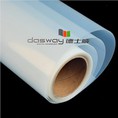


Choosing the right PVC print film for your project is crucial to ensuring high-quality prints, durability, and the right visual appeal. With so many options available, determining which PVC film is best suited for your specific needs can be daunting. Several factors should be considered when selecting the right PVC print film, including the project type, desired effect, environmental considerations, and the intended use of the printed material. Below is a step-by-step guide to choosing the right PVC print film for your needs.
1. Consider the Desired Effect
The surface finish of PVC print film is crucial to the final appearance of your print. There are two common finishes: matte and glossy, each with its own advantages.

Matte Finish: A matte finish is ideal for a more refined, professional look with reduced glare. Matte PVC print film is ideal for indoor signage, commercial displays, and designs that need to be legible from all angles without distracting reflections.
Glossy Finish: Glossy PVC print film is the best choice for projects requiring a vibrant, high-impact visual effect. Its ability to enhance color and contrast makes it ideal for advertising, promotional materials, and outdoor signage, drawing attention and standing out in a bustling environment.
2. Consider the Application and Environment
The type of PVC printing film you choose should depend on where and how the printed material will be used. Different environments may require different film properties.
Indoor Applications: If the printed material will be displayed indoors, such as at trade shows, exhibitions, or indoor signage, you can choose a matte or glossy PVC film depending on the desired appearance and lighting conditions.
Outdoor Applications: For outdoor applications such as billboards, vehicle wraps, or outdoor banners, you need a weather-resistant and UV-resistant PVC printing film. Glossy PVC is generally more suitable for these uses because it can withstand sunlight, rain, and temperature fluctuations.
Moisture-Exposed Areas: If the printed material will be exposed to moisture, such as in kitchens, bathrooms, or restaurants, PVC's water-resistant properties will help protect the integrity of the print and prevent it from fading or deteriorating over time.
3. Determine the Surface Type
The type of surface to which the PVC printing film will be applied is another key factor. PVC film comes in a variety of forms, including self-adhesive types, making it ideal for easy application to a variety of surfaces.
Flat Surfaces: For flat surfaces like walls, glass, or display boards, you can choose between regular matte or glossy PVC film, depending on your visual preference.
Curved or Irregular Surfaces: If you need to apply film to curved or irregular surfaces, such as vehicle wraps, banners, or custom packaging, choose flexible PVC printed film. This type of film can conform to a variety of shapes without compromising print quality or appearance.
4. Understand Durability Requirements
When choosing a PVC printed film, it's important to understand the level of durability required for your application.
Long-Lasting Durability: If you require long-lasting prints, such as outdoor signs or vehicle wraps, that will be exposed to harsh weather conditions, choose a PVC printed film that is UV-resistant, moisture-resistant, and abrasion-resistant. Durable PVC film prevents fading, cracking, or peeling over time.
Short-Term Use: For temporary displays or promotional materials, such as event signage or trade show banners, you can choose a less durable PVC film, which may be more affordable but still provide acceptable quality and appearance.
5. Evaluate Printing Technology
Different types of PVC printing films may be suitable for different types of printing techniques. Depending on your printing method, ensure the PVC film is compatible with your equipment.
UV Printing: If you use UV printing technology, ensure the PVC film can withstand UV inks without smudging or degradation.
Solvent Printing: PVC film designed for solvent printing will provide vibrant colors and crisp details, making it suitable for large-scale printing, such as outdoor banners and vehicle graphics.
Screen Printing: If you are using screen printing for high-volume printing, choose a PVC film designed to handle high-pressure environments and provide consistent results.
6. Customization Options
If branding and customization are important, PVC printing film offers a wide range of customization options, including a variety of colors, sizes, and adhesive backings.
Self-adhesive film: For applications like stickers, window decals, or labels, self-adhesive PVC printed film is an ideal choice because it requires no additional adhesive and is easy to apply and remove.
Custom Printing: PVC film can be easily printed with logos, graphics, or custom messages, making it the perfect solution for branding and promotional materials.
7. Consider Cost-Effectiveness
When choosing a printed PVC film, consider your budget and long-term costs. PVC printed film is generally economical, especially for large projects, because it's durable and requires fewer replacements than other materials. However, if you're on a tight budget or your application is temporary, consider the overall lifespan of the PVC material and choose the option that offers the best value.
Choosing the right printed PVC film requires careful consideration of several key factors, including the type of surface treatment, the intended use environment, the application surface, the desired durability, and the printing method employed. Whether you're looking for vibrant, eye-catching prints or more sophisticated, detailed effects, printed PVC film offers the flexibility and durability to meet the diverse needs of a wide range of industries. By evaluating these factors, you can ensure that the PVC film you choose is exactly what you need and will deliver high-quality, long-lasting prints.